
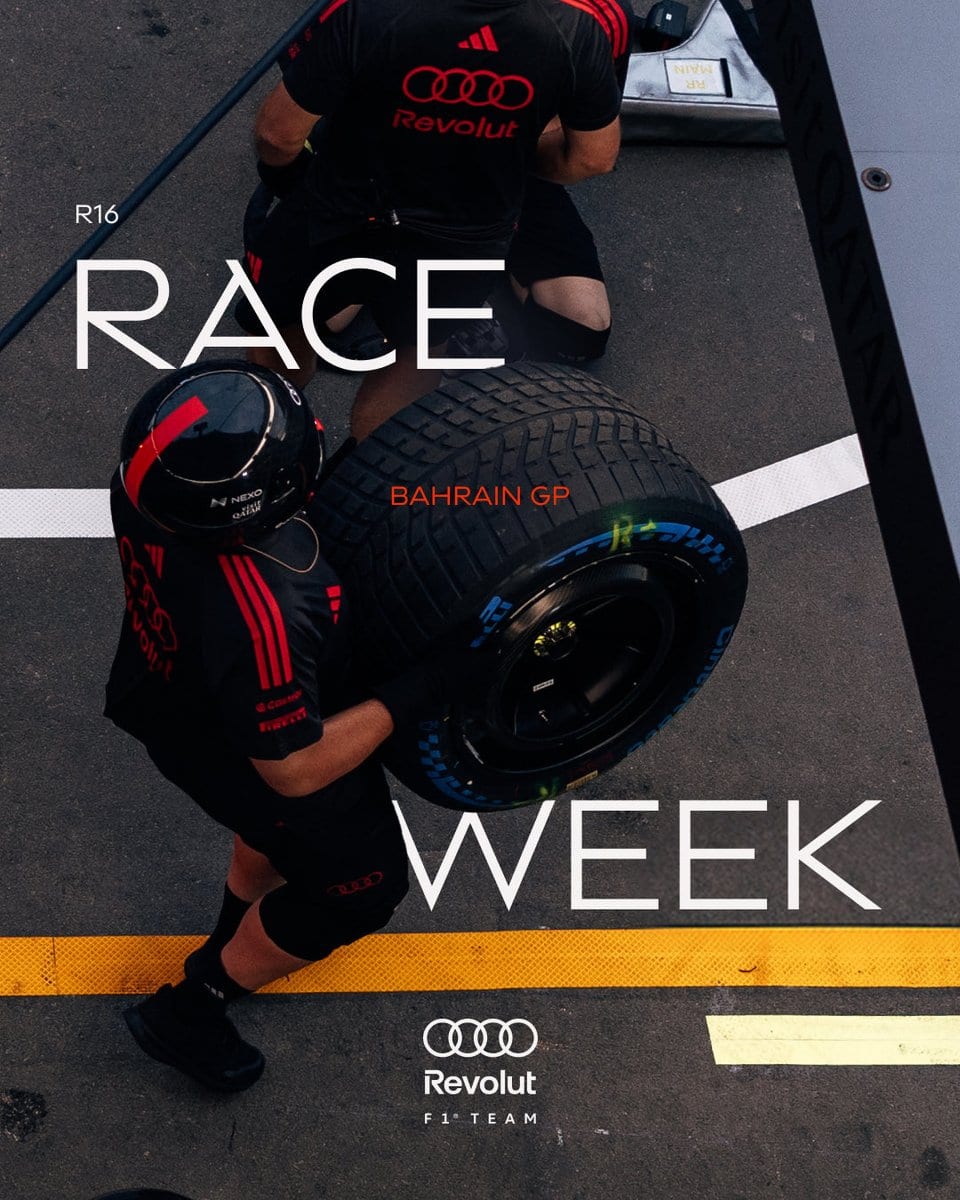
Source: Official Team Post via X
Sepang Circuit: A Deep Dive into Malaysia's F1 Gem
As F1 shifts to Malaysia for the Bahrain Grand Prix, the Sepang International Circuit returns to the spotlight. Discover the track's history, driving challenges, and the new Straight Mode zones.
With George Russell's recent triumph over Max Verstappen in Azerbaijan, the Formula 1 caravan now heads to Malaysia for the Bahrain Grand Prix, hosted at the Sepang International Circuit. This venue, absent from the calendar since 2017, is a beloved haunt for motorsport enthusiasts. Designed by Hermann Tilke, Sepang has been a hallmark of modern circuit design since its debut in 1999.
Track Stats and History
Sepang boasts a 5.543km track length with 15 challenging turns. Over 56 laps, drivers cover a total race distance of 310.398km. The lap record, a blistering 1:34.080, was set by Sebastian Vettel in 2017.
Malaysia's association with F1 began in the 1990s when then-Prime Minister Dr. Mahathir Mohamad envisioned a premier motorsport venue. The inaugural race in 1999 saw Ferrari's Eddie Irvine take victory, setting a high standard for future events. The circuit remained a fixture on the calendar until 2017, when it took a hiatus from hosting F1 races.
Driving the Sepang Circuit
Returning drivers face a blend of nostalgia and challenge at Sepang. Only a handful of current drivers have raced here before, offering them a slight edge. Former Renault driver Jolyon Palmer describes the track as "brilliantly flowing," highlighting the fast middle sector and multiple braking zones.
Turn 1 is notoriously wide, demanding precise braking to tackle the subsequent tighter Turn 2. The middle sector tests high-speed balance, with turns that require a committed approach. Turn 7, a slower bend, can catch drivers off guard, while braking for Turns 11 and 14 demands finesse to avoid locking the wheels.
Weather and Technical Dynamics
Sepang's tropical climate adds another layer of complexity. High humidity, intense heat, and sudden rain showers have influenced many races, keeping teams on their toes.
In 2026, the introduction of Straight Mode and Overtake Mode has altered the racing dynamics. Straight Mode, allowing aerodynamic adjustments for reduced drag, features four zones at Sepang. These include the start/finish straight and the stretches between Turns 3-4, 8-9, and 14-15.
Overtake Mode, replacing the old DRS system, offers drivers enhanced electrical power, making it easier to maintain higher speeds. At Sepang, the detection point is located after Turn 15, with activation on the start/finish straight.
Fun Facts and Trivia
Sepang has seen many memorable moments. Lewis Hamilton and Michael Schumacher share the record for most pole positions here, with five each. Notably, the circuit was Tilke's first from-scratch design, setting a precedent for future tracks.
Ferrari's last wet-weather win came at Sepang in 2012, with Fernando Alonso clinching victory from eighth on the grid. This year's event marks the 22nd edition of the Bahrain Grand Prix, uniquely held outside its namesake country, a scenario not unfamiliar in F1 history.
As the paddock gears up for the weekend, Sepang promises excitement with its blend of speed, skill, and unpredictable weather. Whether you're a seasoned fan or new to the sport, the return of F1 to Malaysia is bound to be a captivating spectacle.