
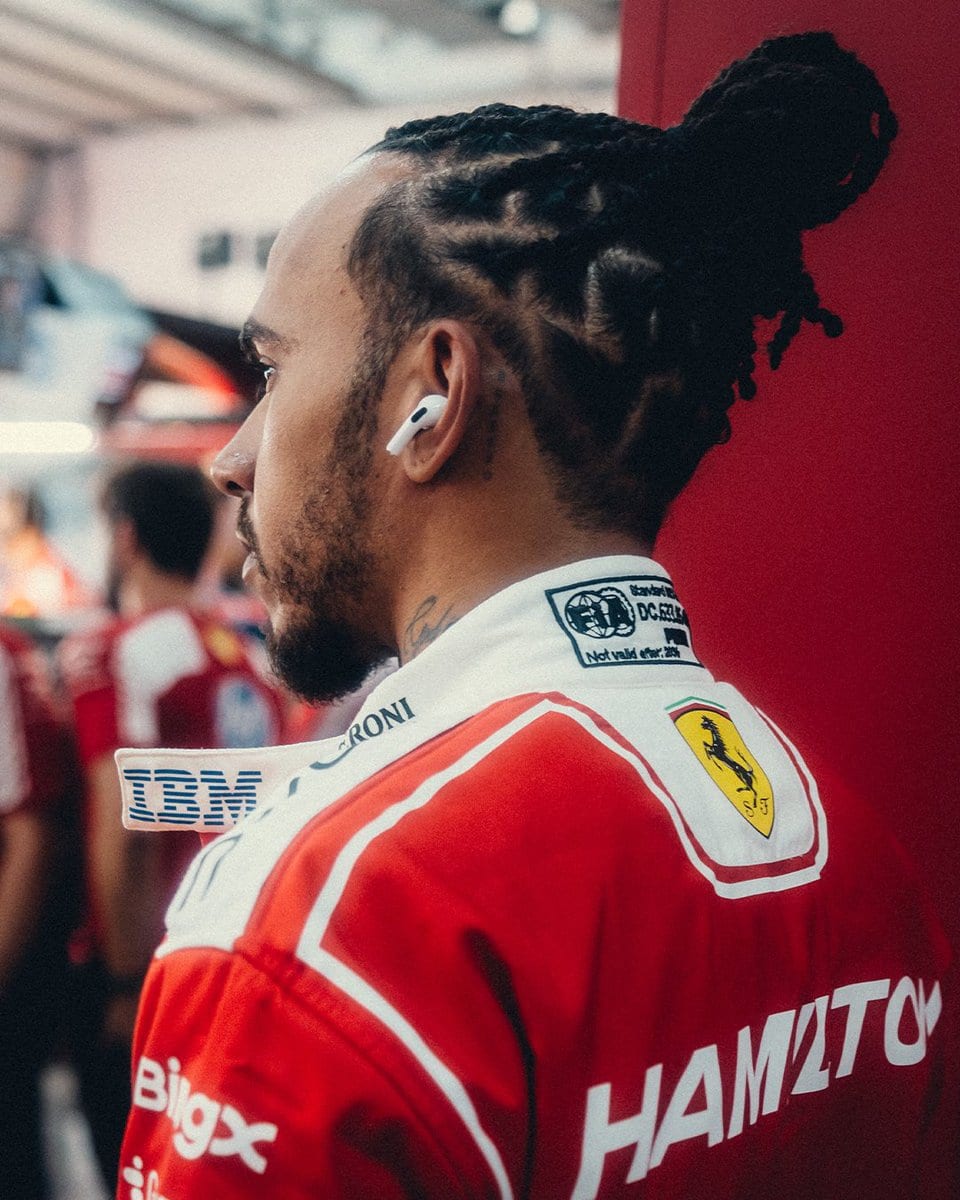
Source: Official Team Post via X
F1's African Ambitions: Hamilton's Rwanda GP Plans Met with Skepticism
Lewis Hamilton is eager to see a Grand Prix in Africa, specifically in Rwanda, but many in the paddock doubt his intentions. With a potential race date in the 2030s, questions arise about the feasibility of Hamilton's participation.
Lewis Hamilton, a veteran of the Formula 1 circuit and a seven-time world champion, has been a vocal advocate for bringing F1 racing back to Africa. His determination has finally borne fruit with plans for a Grand Prix in Rwanda, slated for the early 2030s. However, despite this progress, many within the F1 community remain skeptical about how serious Hamilton is about racing there.
The proposed event in Rwanda will mark the first African Grand Prix since 1993, with a new circuit being developed in Bugesera. While the project is still in its infancy, the idea has generated excitement among drivers and fans alike, with Hamilton leading the charge. Yet, the timeline has raised eyebrows, as Hamilton's current contract with Ferrari extends only until 2028, and by the time the race is expected to occur, he would be nearing 50.
At a recent press conference during the Mexico City Grand Prix, Hamilton reaffirmed his commitment to participating in the inaugural African race, despite the long wait. His comments, though spirited, have been met with skepticism. Journalist Josh Suttill noted that many in the paddock initially thought Hamilton was making a joke. Suttill, speaking on The Race F1 Podcast, mentioned that people were surprised by Hamilton's bold claims about his career longevity.
Colleague Edd Straw humorously added, "Well, he’s staying in F1 until 2039 now or something, isn’t he?" Suttill responded by pointing out Hamilton's declaration that he intends to be present for the first Rwandan race, despite the logistical challenges. Hamilton's response to questions on his seriousness was equally resolute: "Look, I’m built differently. I have been spending my entire career proving people wrong."
Indeed, Hamilton's journey in F1 has been characterized by defying expectations. His entry into the sport and continued success have often surprised critics. Last year, many speculated that he might retire, yet here he is, planning for races years down the line.
Hamilton's confidence extends beyond his career longevity. He recently expressed faith in Ferrari's ability to deliver a stronger engine by 2027, a crucial factor if he is to remain competitive. However, some fans remain skeptical about Ferrari's progress, with one commenting, "It's a massive 'if'." Another noted that a more powerful engine could have improved Ferrari's chances in the 2026 title race, underlining the importance of these developments for Hamilton's future ambitions.
Ultimately, while the idea of an African Grand Prix is thrilling, it remains to be seen if Hamilton will indeed be on the grid when Rwanda hosts its first race. In Formula 1, as in life, plans can change swiftly, and Hamilton's future participation is far from certain.